

About the Author
 Ms.Sudhi Gupta is an experienced educator, researcher, and academic leader with over 11 years in the field of education. She currently serves as the Head of Computer Science and Design and has held leadership roles in curriculum coordination, assessment, quality assurance, and the IB Diploma Programme. Passionate about STEM education, innovation, and student entrepreneurship, Sudhi believes in inspiring learners to connect technology with real-world problem-solving. She is also pursuing a PhD in Computer Science. Through her work, she strives to foster creativity, critical thinking, and future-ready skills among students.
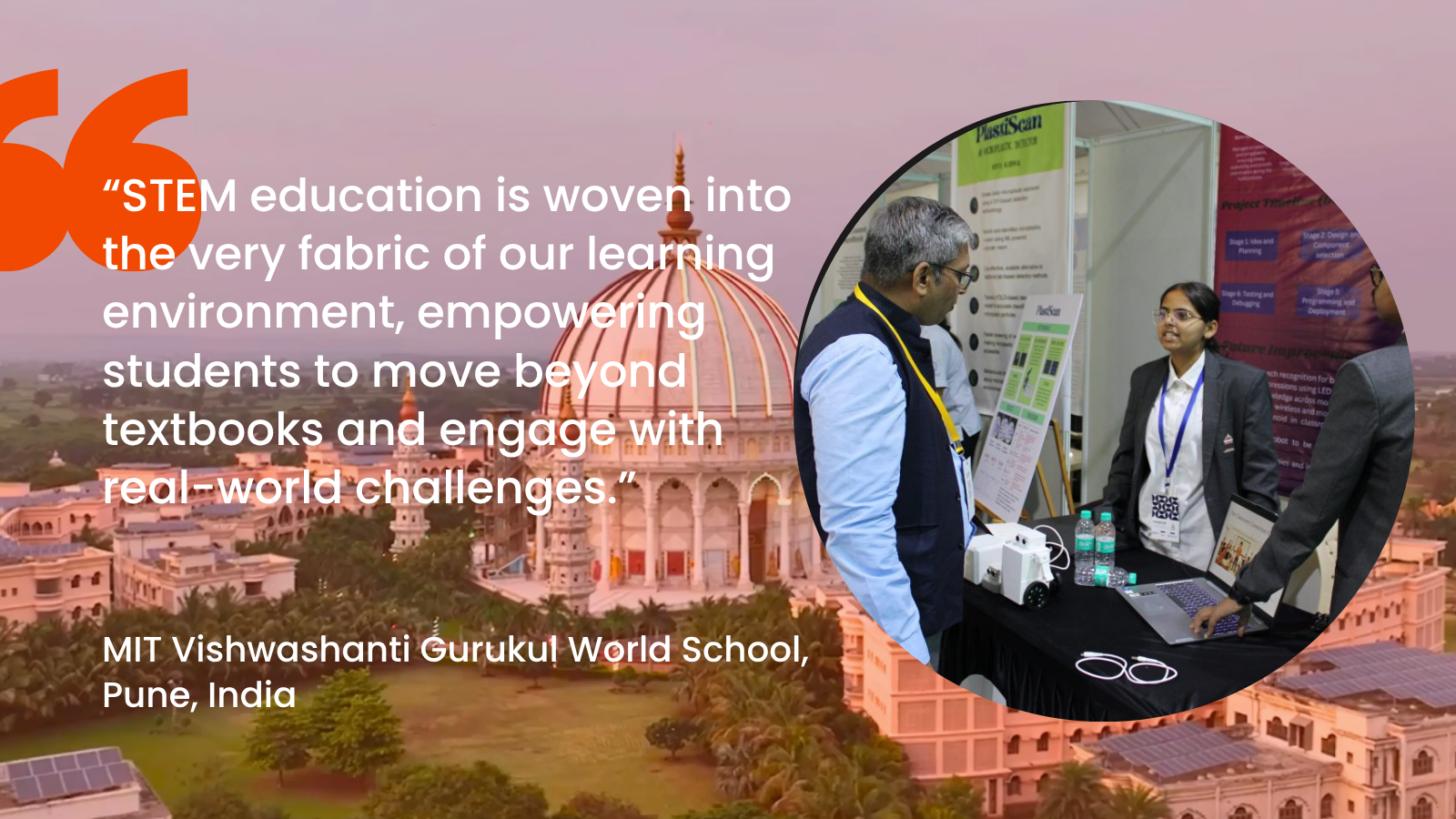
At MIT Vishwashanti Gurukul World School, Pune, STEM (Science, Technology, Engineering, and Mathematics) is far more than a subject area or an extracurricular activity—it is a way of thinking, learning, and innovating. Over the years, we have cultivated a culture where curiosity is encouraged, creativity is celebrated, and problem-solving becomes second nature. STEM education is woven into the very fabric of our learning environment, empowering students to move beyond textbooks and engage with real-world challenges through hands-on experiences.
Our approach to STEM is centered on experiential learning. Students are encouraged to explore concepts through experimentation, design, collaboration, and innovation. Every year, learners across different age groups participate in a variety of STEM programs that nurture technical skills while also developing critical thinking, teamwork, communication, and leadership abilities. These initiatives provide opportunities for students to transform ideas into tangible solutions and discover their potential as future innovators.
Drones and Aerodynamics
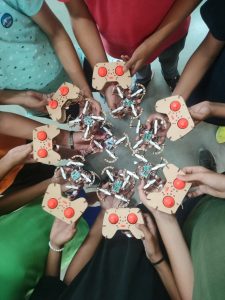 One of the most exciting aspects of our STEM program is our focus on drone technology and aerodynamics. Drones have become a regular feature of our annual STEM calendar, capturing the imagination of students while introducing them to advanced concepts in physics, engineering, and technology.
Students begin by understanding the principles of flight, including lift, thrust, drag, and gravity. They learn how drone components work together and explore the science behind stable flight. As they progress, students gain hands-on experience assembling, programming, troubleshooting, and piloting drones.
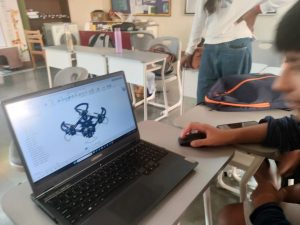 What makes this program particularly impactful is the opportunity to apply classroom learning in real-world scenarios. Students learn not only how drones operate but also how drone technology is being used in industries such as agriculture, logistics, environmental monitoring, filmmaking, and disaster management. Through hands-on activities and project-based learning, students develop critical skills in problem-solving, innovation, and teamwork. The program also inspires learners to explore future careers in emerging technologies and equips them with industry-relevant knowledge for the rapidly evolving digital world.
Our school has established a dedicated drone pit area where students regularly practice flying and racing. This space has become a hub of innovation and teamwork, where learners spend hours refining their flying skills, testing strategies, and improving performance.
Their dedication and perseverance have resulted in remarkable achievements. Recently, our students participated in a prestigious competition in Mumbai, competing against numerous schools and teams. Their efforts were rewarded with First Place in the Drone Race competition and Runner-Up in the Drone Challenge category. These accomplishments reflect not only technical expertise but also determination, collaboration, and resilience under pressure.
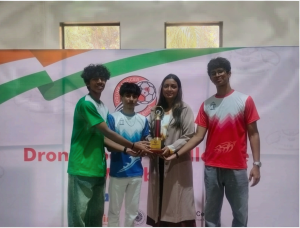
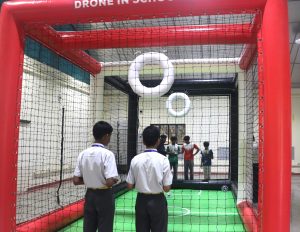
Beyond competitions, the drone program inspires students to think creatively about how emerging technologies can address real-world problems and improve lives.
Robotics: A Tradition of Design and Challenge
Robotics has become one of the cornerstones of STEM learning at our school. Every year, students eagerly participate in robotics activities that challenge them to design, build, program, and innovate.
Our robotics journey begins at an early age, with students as young as seven years old exploring simple machines, sensors, and basic programming concepts. As they grow, they tackle increasingly complex projects that require higher levels of engineering design, coding, and problem-solving.
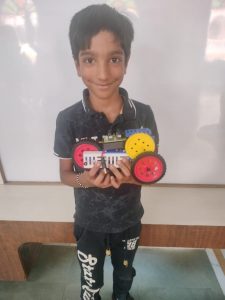
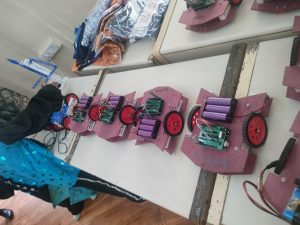
Throughout the year, students participate in circuit design workshops, programming challenges, robot-building activities, and engineering competitions. These experiences allow them to understand the complete design process—from identifying a problem and brainstorming solutions to prototyping, testing, and refining their creations.
One of the most anticipated events is the annual Robo Race competition. In this challenge, students program robots to navigate specific tracks and overcome obstacles. Success requires precision, logical thinking, and a deep understanding of coding principles. The excitement generated by these competitions motivates students to continuously improve their designs and programming skills.
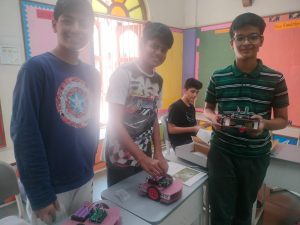
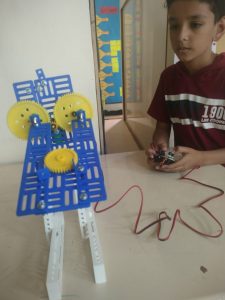
Creativity is also a key component of our robotics program. Students have designed drum-beating robots, automated vehicles, robotic arms, and interactive models that combine engineering with artistic expression. These projects demonstrate that innovation often emerges at the intersection of technical knowledge and creativity.
Over the years, students have developed working windmills, model cars, and numerous engineering prototypes. Through these projects, they gain confidence in their abilities while learning the value of perseverance and iterative design.
The robotics program encourages students to embrace challenges, learn from failures, and continuously improve—a mindset that serves them well in all aspects of life.
Humanoid Robotics: Technology with Purpose
Among the many innovative projects undertaken by our students, the development of a humanoid robot stands out as a particularly memorable achievement.
The concept emerged from a simple yet ambitious question: Can a robot assist in educational environments and support teachers in the classroom?
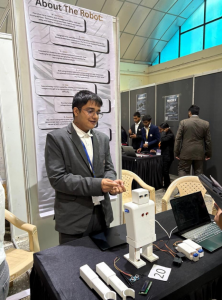
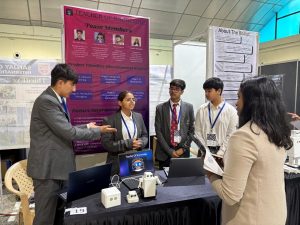
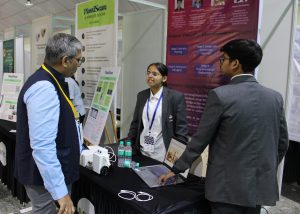
Students worked collaboratively to design and build a humanoid robot capable of performing basic classroom functions. The project required the integration of multiple STEM disciplines, including mechanical engineering, electronics, programming, artificial intelligence, and user interface design.
Through this project, students learned how complex systems are developed and how various technologies work together to achieve a common objective. They encountered challenges related to movement, communication, responsiveness, and functionality, requiring them to test, revise, and improve their designs repeatedly.
The humanoid robot serves as a powerful example of how students can apply STEM knowledge to address real-world challenges. More importantly, it demonstrates their ability to think critically, innovate creatively, and develop solutions that have practical applications.
Projects like these inspire students to explore careers in robotics, artificial intelligence, engineering, and technology while reinforcing the importance of innovation with purpose.
Aviation Learning: Inspiring Future Aviators
The aviation program provides students with an exciting introduction to the science and engineering of flight. Through hands-on learning experiences, students explore the fascinating world of aviation and gain a deeper understanding of how aircraft operate.
Students learn about aerodynamic principles, aircraft structures, navigation systems, propulsion mechanisms, and flight controls. Rather than simply studying these concepts theoretically, they engage in practical activities that bring aviation science to life.
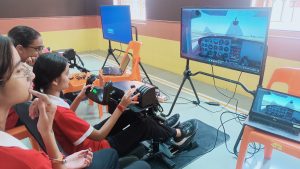
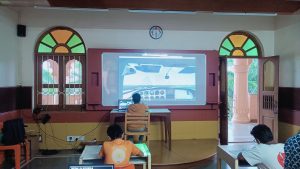
One of the key objectives of the aviation program is to encourage independent learning and problem-solving. Students investigate how different aircraft components function and learn to troubleshoot common issues through experimentation and analysis.
The program also introduces learners to emerging trends in aviation technology, including autonomous systems, sustainable aviation solutions, and advanced aerospace engineering. These experiences broaden their understanding of career opportunities within the aviation industry.
Many students who participate in the aviation program develop a lasting interest in aerospace engineering, piloting, and aviation technology, demonstrating the program’s ability to spark curiosity and inspire future aspirations.
F1 in Schools: Engineering Excellence and Teamwork
Our participation in the globally recognized F1 in Schools program has become a proud tradition and one of the highlights of our STEM journey.
F1 in Schools challenges students to design, manufacture, test, market, and race miniature Formula One cars. However, the competition goes far beyond engineering. Participants also develop skills in project management, branding, sponsorship acquisition, teamwork, communication, and presentation.
Every year, more than 50 students from our school participate in the program. Working in teams, they experience what it is like to function as a professional engineering company. Students take ownership of specific roles, including design engineers, project managers, graphic designers, marketing specialists, and presentation leaders.
Our school has enjoyed tremendous success in this competition since our very first year of participation at Vishwashanti Gurukul. Students have consistently earned awards at regional, national, and competitive levels.
Most recently, our team secured First Place in the Pit Display category at the national level. This achievement reflected not only technical excellence but also outstanding creativity, organization, and presentation skills. Additionally, our students continue to win multiple trophies at regional competitions each year.
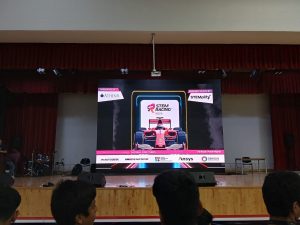
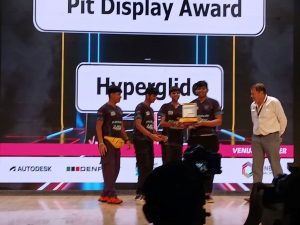
The F1 in Schools experience teaches students that innovation is a collaborative process requiring dedication, communication, and continuous improvement. It also helps them develop confidence, professionalism, and leadership qualities that will benefit them throughout their academic and professional journeys.
Working alongside these young innovators is truly inspiring. Their enthusiasm, creativity, and determination remind us of the limitless possibilities that emerge when students are given opportunities to explore, create, and lead.
A Journey, Not Just a Program
The various STEM initiatives at our school are not isolated activities or standalone projects. Together, they form a comprehensive ecosystem that nurtures innovation, creativity, and lifelong learning.
Students learn to approach challenges with curiosity and confidence. They develop resilience by learning from setbacks and celebrating progress. They collaborate across teams, communicate ideas effectively, and discover the value of diverse perspectives.
Most importantly, they gain firsthand experience in applying knowledge to real-world situations. Whether building robots, piloting drones, designing racing cars, or exploring aviation concepts, students learn that innovation begins with curiosity and grows through persistence and collaboration.
These experiences prepare them not only for future careers in STEM fields but also for the demands of an increasingly complex and technology-driven world.
About Vishwashanti Gurukul
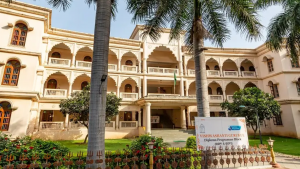
MIT Vishwashanti Gurukul World School is a leading boarding IB school in Pune, set on a sprawling 125-acre campus and supported by the legacy of the MIT Group of Institutions. The school offers a world-class education through the globally recognized International Baccalaureate (IB) Curriculum, designed to develop critical thinking, inquiry-based learning, and international-mindedness. By integrating the IB Curriculum with strong academic programmes, sports, performing arts, co-curricular activities, and experiential learning, students gain the skills needed for leadership, creativity, and global success.
The IB Curriculum at Vishwashanti Gurukul encourages research, collaboration, and real-world application of knowledge while nurturing discipline, teamwork, and personal growth. Students benefit from a balanced education that combines academic excellence with character-building and global exposure. Designed with parents’ peace of mind in focus, the school provides well-supervised boarding facilities, and attentive staff to ensure every child feels secure and supported. Recognised among the best IB schools and boarding schools in Pune and India MIT Vishwashanti Gurukul is a trusted choice for parents for their children.